
Signs of a Bad Marriage Counselor (and What to Do About It)
It might seem a little strange for a marriage counselor to write about bad marriage counselors. But I'd rather you hear it from someone in the field than find out the hard way. A rough experience with the wrong therapist can, at best, put couples off counseling for years, sometimes for good, and at its worst, can actually damage or destroy a relationship. And that's a real loss when the right fit can make such a big difference.
So what makes a counselor a bad one? It isn't that sessions feel uncomfortable, because good therapy often does. A bad marriage counselor is one who takes sides against one of of you (very different than calling out bad behavior or problematic actions by one person), pushes their own agenda for your relationship, or lets one of you get hurt in the room. And if that's what you're dealing with, you're allowed to walk away and find someone better.

Is it the counselor, or is therapy just hard?
Before we get to the red flags, it helps to know what normal feels like. Couples therapy can be pretty uncomfortable. You're talking about the things you've been avoiding, often with your partner sitting right there, and it's common to feel worse for a little while before things start to feel better.
A good counselor will also point out things you'd rather not hear, including things about you. They might agree with your partner about something you do being harmful or problematic. That can sting, and it doesn't mean they're against you. The question is whether it's fair. Are both of you getting challenged, or only one of you? Do you leave sessions feeling stretched, or feeling ganged up on?
Hard and fair is usually therapy doing its job. Unfair or unsafe is something else, and that's what the rest of this article is about.
Signs of a bad marriage counselor
They take sides
Every counselor will agree with one of you on something now and then. And a good marriage therapist will rightly call out behavior one or the other party might engage in that is harmful. That's different from a pattern where one of you is always the problem and the other is always right. A good couples counselor is working for the relationship, not for either of you.
Watch for the louder or more confident partner steering every session, or a counselor who acts like a judge deciding who's to blame.
They have an agenda for your relationship
Some counselors seem determined to save every marriage. Others nudge people toward leaving. Either way, it's their agenda, not yours. I don't think it's ever a therapist's place to decide whether your relationship can be saved. Only the two of you get to decide that. A good counselor helps you see things clearly so you can make that choice yourselves.
They let one of you get hurt in the room
Sessions can get heated, and that's ok. You or your partner might feel hurt by something the other says, discloses, or calls out. What isn't ok is a counselor who sits back while one partner belittles, threatens, or bullies the other, or who shrugs when something you shared in a session gets used against you at home.
If there's abuse in the relationship, couples counseling isn't always a safe place to start, and a good counselor will ask about safety and talk with you about that.
They keep problematic secrets between you
Not everything each person shares is helpful to bring up in a joint, couples session. But a counselor who meets with one of you alone without the other knowing, or who agrees to hold onto something of major significance one partner told them privately, is on shaky ground. Counselors handle individual sessions differently, and that's fine, but they should explain their policy to both of you up front. Secrets make it very hard for a counselor to be fair to both of you.
They judge your values, culture, faith, or sex life
Your counselor doesn't have to share your values, but they should respect them. If they push their own views about religion, gender roles, or how a family should work, that's a problem. So is a counselor who seems uncomfortable with your culture, or who treats an open relationship, a kink, or your sexuality as the real issue when that's not what you came in for.
They avoid talking about sex
Sex comes up for almost every couple, one way or another. Some counselors get visibly uncomfortable and steer the conversation back to "communication" every time. Sometimes that's the right call, but if it keeps happening, you may need someone with real training in sex therapy.
They talk about themselves a lot
A quick personal example now and then can help. But if you're hearing about your counselor's marriage, divorce, or kids week after week, the session has stopped being about you. You're paying for their attention, not their life story.
There's no plan, and nothing changes
A good counselor should be able to tell you, in plain words, what you're working on and how you'll know it's getting better. If you've been going for months, can't answer either of those, and nothing at home has changed, it's fair to bring that up. After a year with no real progress, it's time for a serious conversation about whether this is the right fit.
What should I do if my counselor isn't working out?
If it's something you can name, start by bringing it up with them. You can keep it simple: "Sessions have seemed to be more about me than about us," or "I'm not sure what we're working toward." A good counselor will welcome that. It's the kind of thing we want to hear, because we can't fix what we don't know about.
Then pay attention to how they respond. If they get defensive, brush it off, or nothing changes after you've said it, that tells you a lot.

At that point, it's ok to switch. You don't need anyone's permission, and you don't owe your counselor a long explanation, though giving a therapist feedback, even hard feedback, when they miss the mark is always appreciated by an ethical therapist. Most practices offer a free consultation, which is a low-pressure way to see how a different counselor feels before you commit. When you start with someone new, tell them what didn't work last time. That's useful information, not complaining.
And if a bad experience has you wondering whether counseling works at all, try not to write it off because of one counselor. The right fit can feel completely different.
Common questions about bad marriage counselors
What are red flags in couples therapy?
The biggest ones are a counselor who takes sides, pushes their own agenda for your relationship, lets one partner bully the other, or keeps secrets between you. Judging your values, steering away from hard topics like sex, and having no clear plan are warning signs too.
Can couples counseling make things worse?
It can, especially with the wrong counselor or when one partner is abusive. I've certainly had to help repair damage to relationships done by other therapists. Feeling worse for a short time is normal as hard topics come up. Feeling worse week after week, with no progress and no plan, is a sign something needs to change.
When should you switch marriage counselors?
When you've raised a concern and nothing changes, when you feel unsafe or ganged up on, or when months go by without progress or a clear plan. You don't need anyone's permission to switch.
Can a marriage counselor tell you to get divorced?
Generally, no. A good counselor won't tell you to stay or go, because that decision belongs to the two of you. The exception is safety. If someone is being hurt, a counselor may recommend separating or making a safety plan.
Could you use some help?
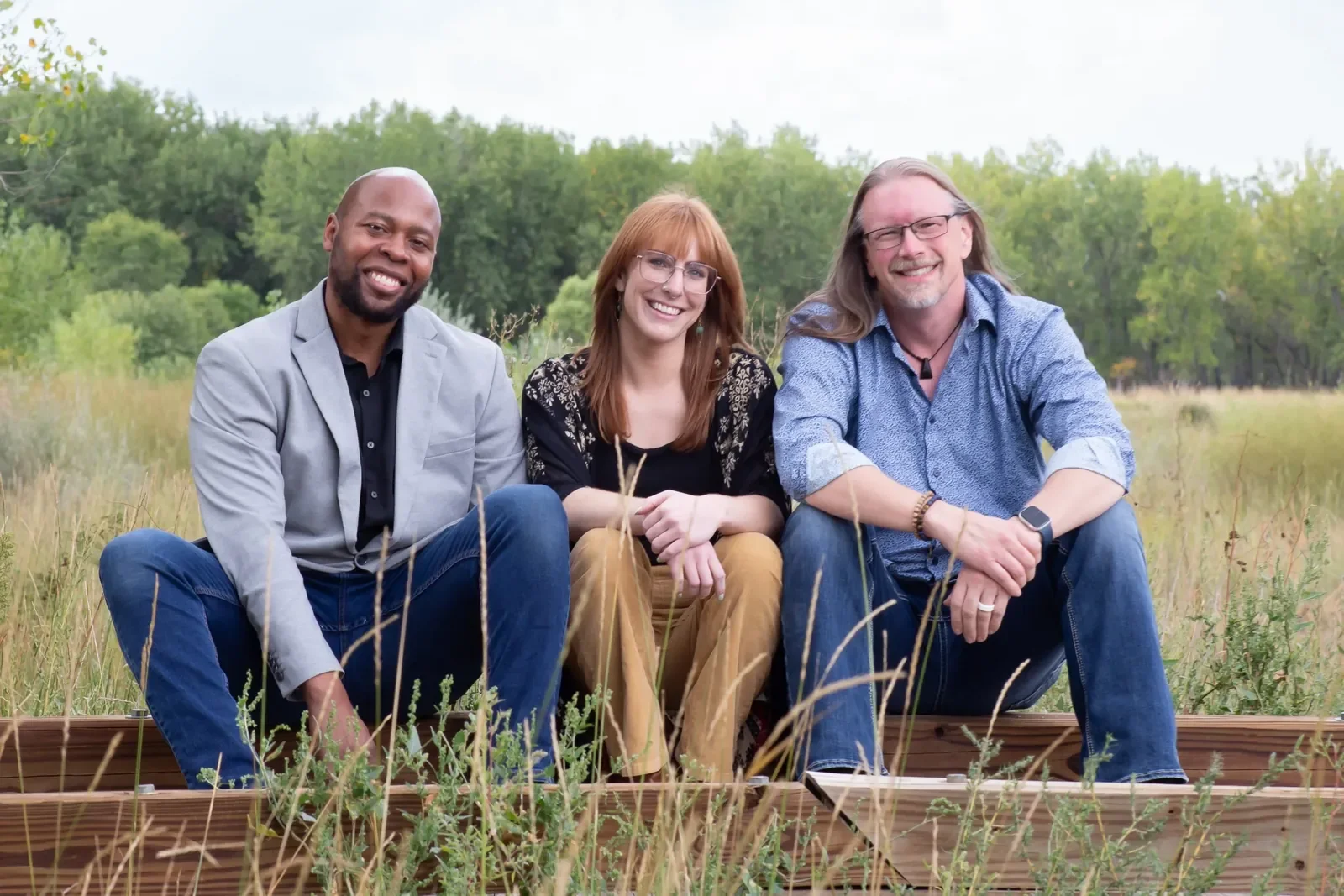
If you're ready for a fresh start with someone new, we'd be glad to talk. At Pivotal Counseling, we see couples at our Fort Collins and Greeley offices and by telehealth across Colorado, Wyoming, and Utah. You can learn more about our couples counseling or schedule a free 20-minute consultation, and feel free to tell us what didn't work last time. We'd love to help.
