
Sex Therapy for Couples: What Actually Happens, and How to Choose a Therapist
If you're thinking about sex therapy, there's a good chance one question is holding you back, even if you'd never say it out loud: what happens in there? So let's start with that. Sex therapy for couples is talk therapy. You keep your clothes on, you sit on the couch, and you talk, the same as in any other counseling session.
A sex therapist writing for the Gottman Institute says the word new clients use most often is "terrified." I'd agree with that. Most couples have been living with the problem for years before they call, and not knowing what to expect keeps many of them from calling at all.
So let's walk through what sex therapy is, what a session looks like, and how to find someone who's trained to help.

What is sex therapy for couples?
Sex therapy for couples is counseling that focuses on your sex life, and you and your partner do it together. That might be a difference in how often each of you wants sex, trouble with arousal or orgasm, pain during sex, or just the fact that you can't talk about sex without it turning into a fight.
It overlaps a lot with couples counseling. Sex almost never lives in its own box. It gets tangled up with stress, resentment, the kids, and whether you felt heard this week, so a good sex therapist spends plenty of time on the relationship too.
The difference is the training. It's kind of like your family doctor and a specialist. Both are real doctors, but one has spent years learning a single area in depth.
| Couples therapy | Sex therapy | |
|---|---|---|
| Focus | The relationship as a whole: fights, distance, money, parenting, trust | Your sex life: desire, arousal, orgasm, pain, and talking about sex |
| Training | Relationships and communication | All of that, plus extra training in sex, bodies, and desire |
| Also called | Marriage counseling, relationship counseling | Sex counseling, intimacy counseling |
Does sex therapy involve touching?
No. I know I already said that, but it's the question people most want answered, so it deserves its own spot. Nothing physical happens in a session. Nobody undresses, your therapist never touches you, and nothing sexual happens in the office.

What does happen is homework. Your therapist might suggest things for the two of you to try at home, in private, between sessions. You talk about how it went next time, and you can always say no to anything that doesn't feel right.
One common exercise is called sensate focus. You take turns touching each other slowly and paying attention to how it feels, with sex and orgasm taken off the table on purpose. That surprises a lot of couples. But when there's nothing to "get right," the pressure drops, and for many people that pressure is what was getting in the way in the first place.
What happens during couples sex therapy?
The first session
The first session is mostly about getting to know you. Nobody expects you to start with the hardest part of your story. Your therapist will ask what's going on, how long it's been happening, and what each of you would like to be different.
You'll probably also get some questions that don't seem connected to sex at all, like:
- Your health and any medications you take
- Stress, work, and sleep
- What you learned about sex growing up
- How the relationship is doing overall
That's because sexual problems rarely have just one cause. Your body, your mind, and what's going on in your life all play a part.
The first session is also your chance to see how the therapist feels to you. If it isn't a good fit, that's ok to say. And if your partner isn't ready to come yet, you can start on your own. Plenty of people do.
After the first session
Most couples expect to be handed techniques right away. What usually comes first is learning to talk about sex without anyone getting defensive. One of you brings it up, the other hears criticism, and the conversation is over before it starts. Working on that is often where things start to feel better.
From there, you look at the pattern underneath. Maybe one of you keeps asking for sex and the other keeps pulling away, and it's turned into a routine neither of you likes. Your therapist will give you things to try between sessions, and you'll talk about how they went.
What can sex therapy help with?
The most common reason couples come in is a difference in desire. One of you wants sex more often than the other, and somewhere along the way one of you started feeling like the broken one. Usually, nobody is broken.
In Come as You Are, Emily Nagoski explains that some people feel desire out of the blue, while others only start to want sex once things get going. Both are normal, but if you don't know that, it's easy to take it personally for years.
Sex therapy can also help with:
- Trouble getting or keeping an erection
- Trouble with arousal or reaching orgasm
- Finishing too quickly, or not being able to finish
- Pain during sex (along with a visit to your doctor, to rule out a physical cause)
- Rebuilding your sex life after an affair
- Sorting out what your faith, family, or culture taught you about sex
- Questions about identity, orientation, or kink
Whatever you bring in, a good sex therapist will take it seriously and won't judge you for it.
How do I choose a sex therapist?
This part surprises a lot of people. In most states, "sex therapist" isn't a protected title. Any therapist can list sex or intimacy on their profile or even say they are a "sex therapist", whether or not they've had any real training in it.
The credential to look for is "AASECT certificatied sex therapist", sometimes abbreviated as CST (although CST can refer to other things so be sure to double check it). Or look for someone who is currently under supervision towards their CST credential. AASECT (the American Association of Sexuality Educators, Counselors and Therapists) requires hundreds of hours of extra training, education, and supervised work with clients before it certifies anyone.
I'm AASECT certified myself, so I'll admit I'm a little biased, but the difference really does show up in the room. You can check any therapist's certification in AASECT's online referral directory. It takes about a minute.
Most practices offer a free consultation call, so use it. Ask three questions:
- What training do you have in sex therapy, and are you certified?
- Have you worked with problems like ours before?
- How do you work, and what does therapy usually look like?
Then pay attention to how you feel. Did you feel judged? Did you catch yourself softening what you wanted to say? If so, keep looking. That isn't a failure. It's how you find the right person.
Common questions about sex therapy
When should a couple go to sex therapy?
If you find your sex life is causing stress, unhappiness, disatisfaction, or distance between you, that's reason enough. You don't have to wait for a crisis. And if you find yourself thinking "it's not that bad," it's often been bad long enough to start feeling normal.
How long does sex therapy take?
It depends on what you bring in. Some things improve in a handful of sessions, while problems that have been stuck for years take longer. A good therapist won't promise you a number before getting to know you.
Is sex therapy covered by insurance?
Sometimes, and often only partly. Many sex therapists are out-of-network, so you pay for the session and then send the receipt to your insurance to get some of it back. HSA and FSA funds can usually be used too.
What is the 72-hour intimacy rule?
It's an idea going around online that couples shouldn't go more than 72 hours without sex. It didn't come from research. Setting aside time for intimacy helps some couples, but a deadline turns sex into a chore, and that's one of the quickest ways to shut desire down.
Could you use some help?
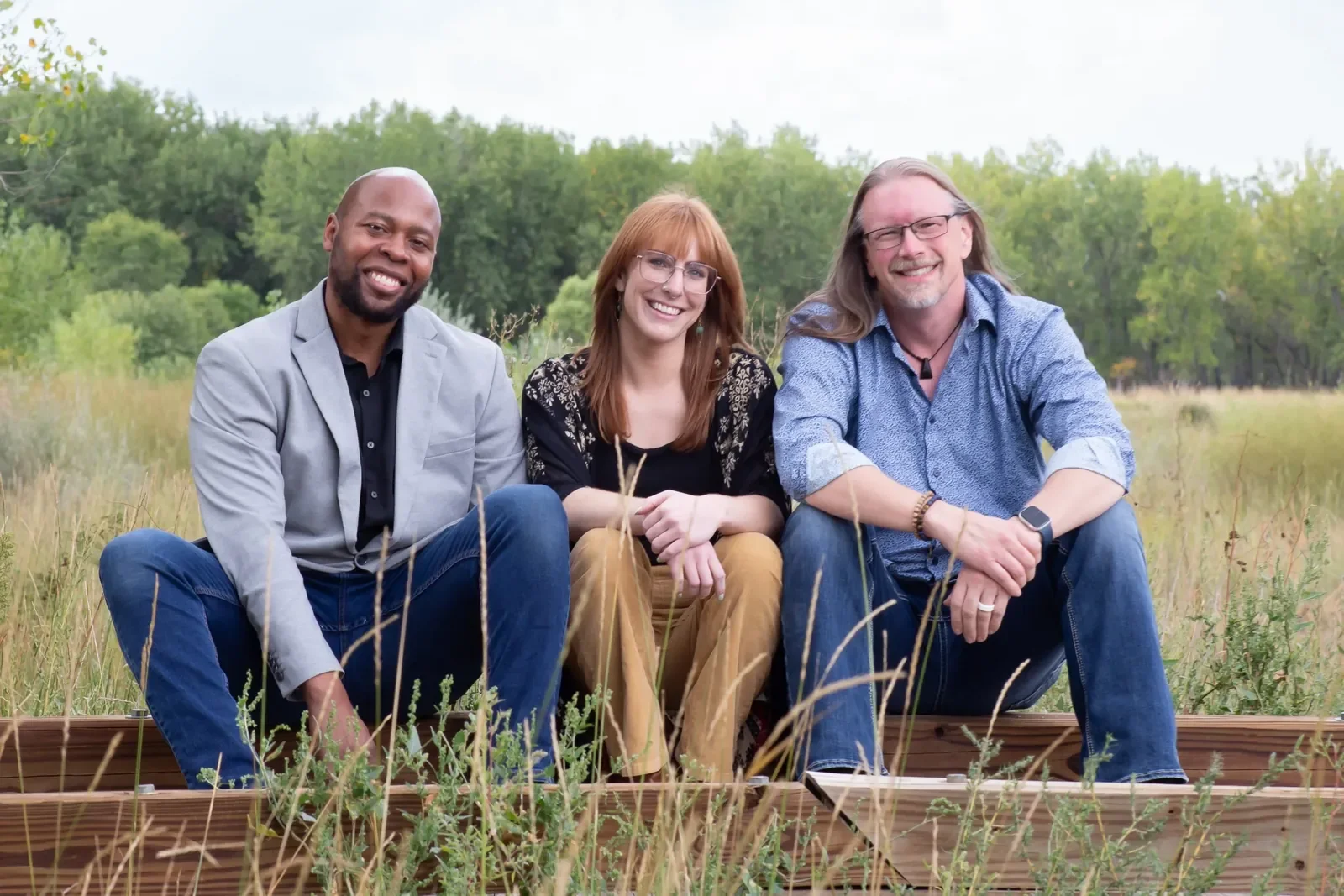
Talking about sex is hard for a lot of couples, and that's exactly the kind of work we do at Pivotal Counseling. We see couples at our Fort Collins and Greeley offices and by telehealth anywhere in Colorado, Wyoming, and Utah. You can learn more about our sex therapy services or schedule a free 20-minute consultation to see if we're a good fit. We'd love to help.
